

Home 2018
Yearly Archives: 2018
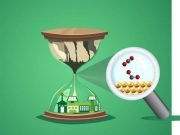
After 150 years, a breakthrough in understanding the conversion of CO2 to electrofuels
Using surface-enhanced Raman spectroscopy, Columbia Engineers are first to observe how CO2 is activated at the electrode-electrolyte interface; their finding shifts the catalyst design...

Closest planet ever discovered outside solar system could be habitable with a dayside ocean
In August of 2016, astronomers from the European Southern Observatory (ESO) confirmed the existence of an Earth-like planet around Proxima Centauri – the closest...
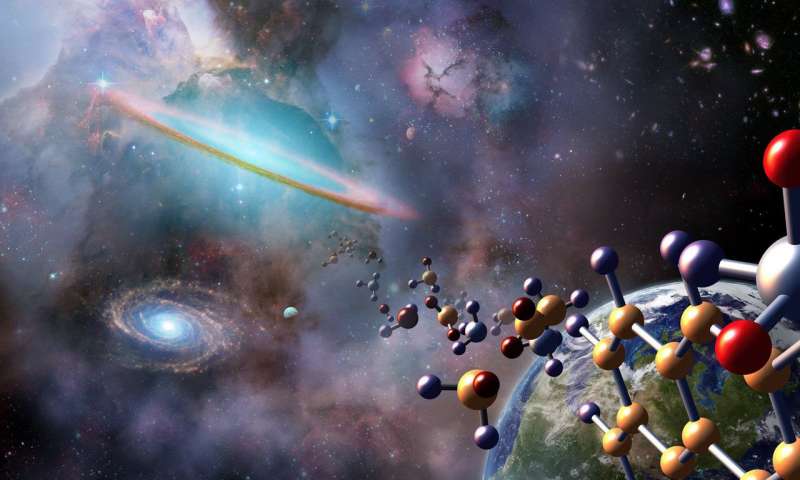
New study identifies possible ancestors of RNA
Researchers from the Georgia Institute of Technology may have made headway in helping determine the origin of life by identifying three different molecules that...

Keep cool: Researchers develop magnetic cooling cycle
As a result of climate change, population growth, and rising expectations regarding quality of life, energy requirements for cooling processes are growing much faster...

‘High-yield’ farming costs the environment less than previously thought—and could help spare habitats
Agriculture that appears to be more eco-friendly but uses more land may actually have greater environmental costs per unit of food than "high-yield" farming...

Heat-related deaths likely to increase significantly as global temperatures rise, warn researchers
The world needs to keep global temperatures in check by meeting the goals set out in the Paris Agreement, or more people could die...
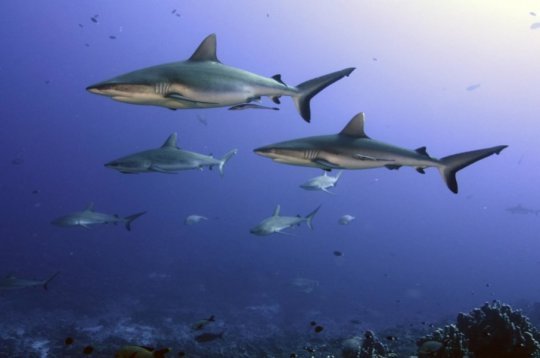
Appetite for shark fin soup serious risk to threatened sharks
Fishing pressure on threatened shark populations has increased dramatically in recent years and it is urgent that consumers reject shark fin products altogether --...
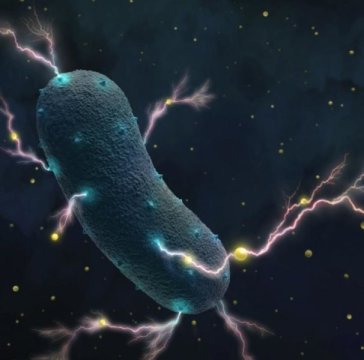
VGut bacteria’s shocking secret: They produce electricity
While bacteria that produce electricity have been found in exotic environments like mines and the bottoms of lakes, scientists have missed a source closer...

New photonic chip promises more robust quantum computers
Scientists have developed a topological photonic chip to process quantum information, promising a more robust option for scalable quantum computers.
The research team, led by...

‘Optical rocket’ created with intense laser light
In a recent experiment at the University of Nebraska–Lincoln, plasma electrons in the paths of intense laser light pulses were almost instantly accelerated close...
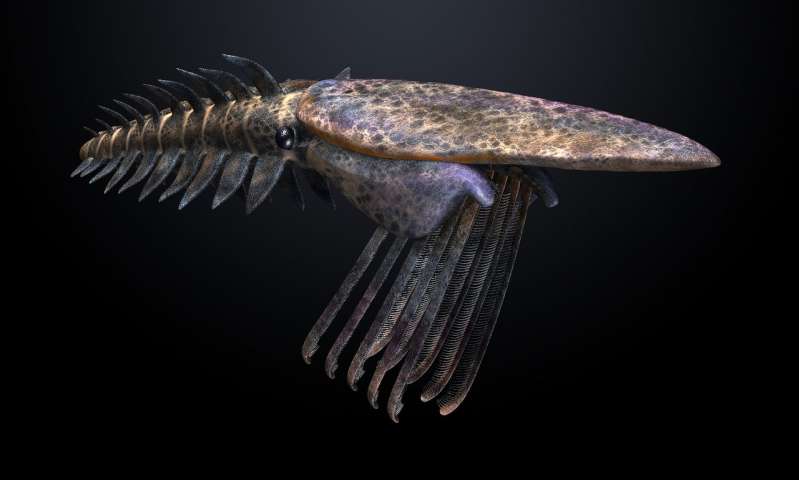
Half-billion-year-old fossils offer new clues to how life exploded on the sea floor
Stephen Pates, a researcher from Oxford University's Department of Zoology, has uncovered secrets from the ancient oceans.
With Dr. Rudy Lerosey-Aubril from New England University...


